🗓️ Join us TOMORROW — Monday, April 27 at 6 PM CST for a free live webinar on exactly this topic: How do kids from Frisco get into Top 25 colleges? Hosted by Abhi at Lone Star Scholars — online, free, space is limited. Reserve your seat →
💡 TL;DR: Frisco ISD has become one of the most academically competitive districts in the country. That same intensity creates a specific admissions problem — credential inflation, geographic clustering in holistic review, and a shifting bar for what stands out. Here's what families in Collin County actually need to understand, and what to do about it.
There's a running joke among Frisco ISD parents: your kid can have a 4.5 GPA, 13 AP classes, and a club leadership role, and still feel like they're somehow behind. That's not a parenting anxiety spiral. That's just Tuesday in Collin County.
Frisco ISD has grown into one of the most academically intense school districts in Texas — and arguably one of the most competitive in the country. That's genuinely impressive. It's also genuinely complicated when it comes to college admissions. The same environment that produces sharp, driven students also creates a very specific kind of admissions problem that most families don't fully understand until it's too late.
Let's talk about what's actually going on — and what it means for your student.
Why Frisco ISD Hits Different
Frisco has added tens of thousands of residents over the past decade, and a disproportionate share of those families moved here specifically for the schools. The result: a district where academic ambition is the baseline, not the exception.
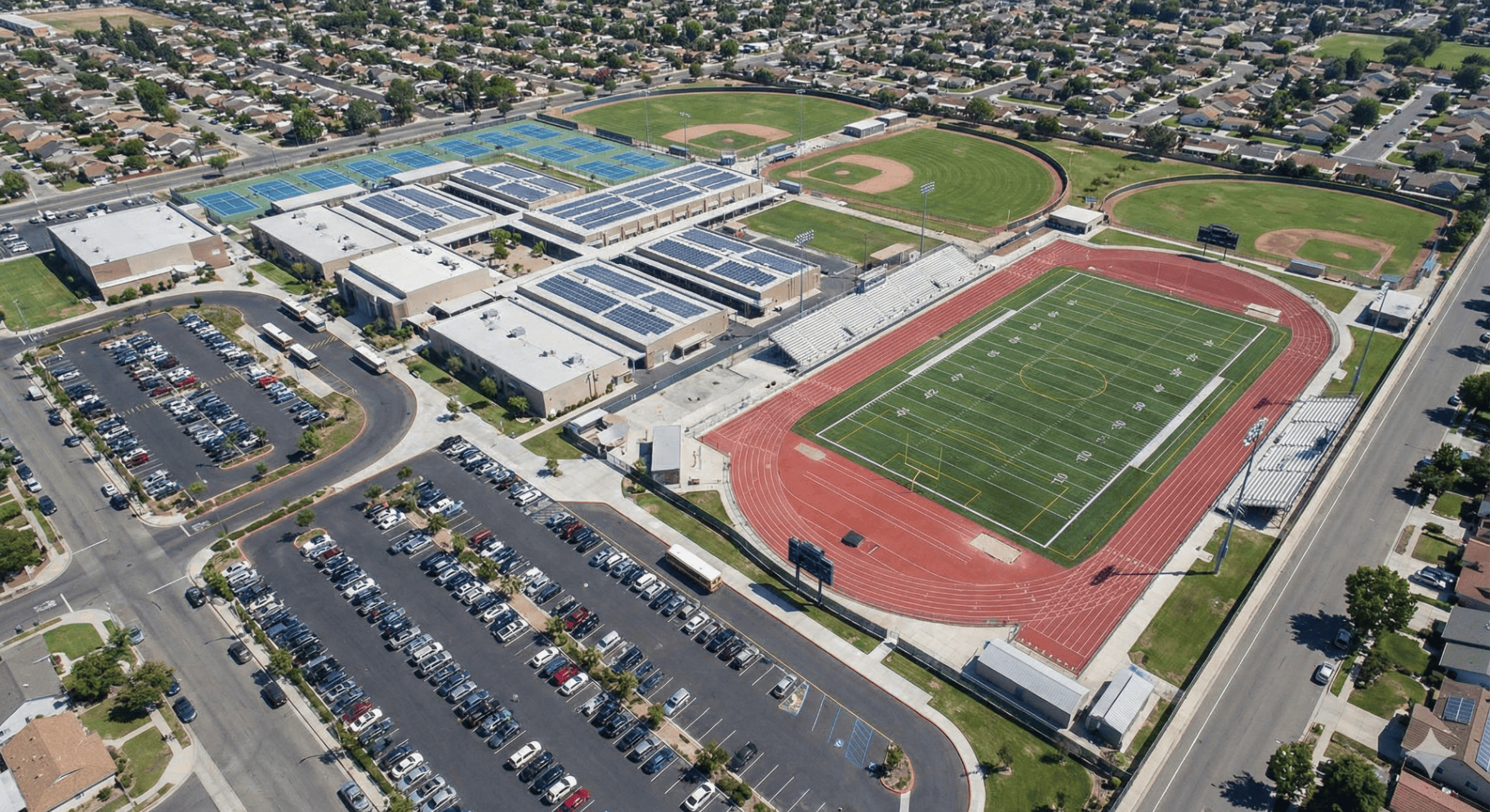
Walk the hallways of Lone Star High, Liberty High, Frisco High, or Reedy, and you'll find students who've been doing AMC prep since 8th grade, stacking Collin College dual credit hours, and building research portfolios before junior year. The same story plays out a few exits down in Plano ISD, Prosper ISD, Allen, McKinney, and Celina — the whole Collin County corridor is wired this way.
✨ This creates something worth naming directly: credential inflation. When everyone around you is doing "extraordinary" things, extraordinary starts to feel ordinary. And that has real consequences for how colleges read your application.
The Top 5% Math Problem
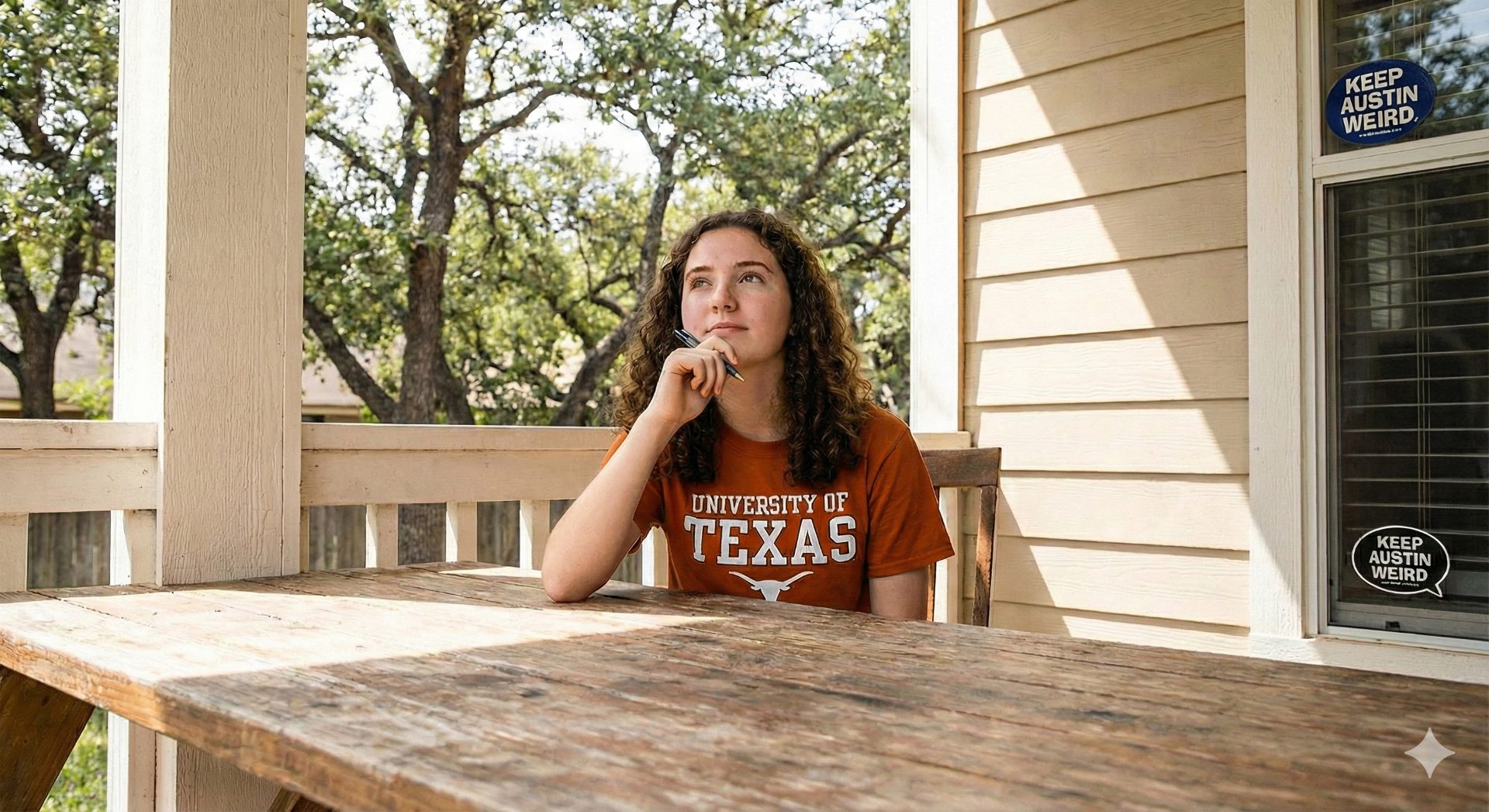
If you're aiming for UT Austin, you've probably heard about automatic admission for Texas residents who graduate in the top 5% of their class. The catch is what that threshold actually requires in a district like ours.
A student at a less academically competitive district might crack the top 5% with a 3.8 GPA. At Reedy or Lone Star? The same GPA might put you closer to the top quarter of your class.
For UT Austin's selective majors — CNS, McCombs, Engineering — students outside the automatic admission threshold go through a holistic review. And holistic review from a zip code like 75035 or 75034 means your application lands in a pool with a lot of similarly credentialed students from the same corner of North Texas.
💡 The admissions office sees the geography. They know where you went to school.
What Colleges Actually Want From Frisco Students
Here's the part families often miss: selective colleges aren't looking for the student who did the most. They're looking for the student who means the most — who has a specific perspective, a genuine intellectual thread, a reason they'd light up a seminar room or a lab.
That's hard to manufacture when you're running the same checklist as 4,000 other kids in your district.
✨ The applications that stand out from Collin County aren't the ones with the longest activity list. They're the ones where a student clearly followed something they were actually curious about — and can articulate what they found, what they built, or what changed in how they think.
That's what research does. Not "looks good on an application" research. Real inquiry — forming a question, digging into data, and producing something that didn't exist before.
The Research Gap (And Why It's Closing Fast)
A few years ago, having an independent research project as a high schooler was genuinely rare. Now, especially in districts like Frisco ISD, it's becoming more common. Which means the bar is shifting again.
What separates research that moves the needle from research that's just a line item:
- 🔍 Specificity of question: Did you ask something narrow and interesting, or did you summarize a Wikipedia topic?
- 📊 Methodology: Did you actually analyze data, or did you write a literature review?
- 📄 Output: Is there a paper, a poster, a preprint — something that exists beyond your memory of the experience?
- 🗣️ Your voice in it: Can you talk about what you discovered, not just what the field says?
Colleges — especially at the research university level — can tell the difference.
What Families in 75035 Can Do Right Now
Whether your student is entering 9th grade or already a junior, here's how to think about this strategically:
1. Find the thread early. What subject does your student actually talk about at dinner? What would they read about even if no one was grading it? That's the starting point — not the most impressive-sounding major.
2. Be honest about the GPA arms race. An extra AP class that tanks a grade doesn't help. Depth of mastery in fewer courses, with genuine engagement, often reads better than a bloated schedule.
3. Don't wait on research. The students who produce meaningful research projects start earlier than you'd think — usually sophomore or early junior year. Summer is the most practical window, and it passes faster than expected.
4. Think about what makes your application from Frisco distinct, not just competitive. What does your student do with the opportunities of this community that no one else would have done?
A Note on Neighboring Districts
If you're in Prosper ISD, Plano ISD, McKinney ISD, Allen ISD, or the newer communities in Celina and Melissa — the same dynamics apply. Collin County as a whole sends a high volume of well-qualified applicants to the same handful of schools. The density of competition isn't just inside your child's high school. It's regional.
That context shapes everything from how you choose your target school list to how you position your application narrative.
Come Talk Through This With Us
This is exactly what we'll be digging into at our free webinar tomorrow, Monday April 27 at 6 PM CST — online.
The webinar, "How do kids from Frisco get into Top 25 colleges?", will cover:
- ✅ What Top 25 colleges actually look for — beyond GPA and test scores
- 🔬 How building a research profile in high school becomes the differentiator admissions committees notice
- 🎯 Why personalized plans beat cookie-cutter advice, and what that looks like in practice
- 📍 Mentorship from right here in Frisco — local guidance from families who've been through it
- 💬 Live Q&A with Abhi, founder of Lone Star Scholars
✨ Space is limited. Register free →
If you can't make it live, register anyway — we'll send the recording to everyone who signs up.
Questions before then? Reach us at abhi@lonestarscholars.com.
And if you want to go deeper — on college counseling, course strategy, or our 10-week Summer Research Program (June 1–August 9, where students analyze real CDC datasets and produce publishable manuscripts) — reach out to us or stop by our office at 12800 Westridge Blvd., Ste 126, Frisco, TX 75035.
💛 The families who figure this out early aren't the ones who stressed more. They're the ones who got clearer, sooner.
Ready to Get Started?
Schedule a free consultation to discuss your student's goals and create a personalized plan.
Book Free Consultation