Roadmap to College
A Grade-by-Grade Guide for Texas Families (Grades 8–12)
Practical steps, not pressure. A clear path from middle school to college applications.
Created by Lone Star Scholars • Collin County, Texas
Jump to a Grade
How to Use This Roadmap
College admissions can feel like a lot. GPA, test scores, activities, essays, and endless advice online can leave families feeling behind or worried they're missing something.
This roadmap is meant to quiet that.
Inside, you'll see a grade-by-grade view of what to focus on from 8th through 12th grade. Instead of guessing what matters when, you get the big picture in order: what to focus on now, what can wait, and what is truly optional.
You can use this guide in several ways:
- As a checklist to make sure you're covering the basics without loading your student up with extra stress.
- As a conversation starter to open up honest talks about goals, interests, and stress levels.
- As a planning tool to map out courses, tests, and activities across the high school years.
This roadmap is written for Texas families, especially those in competitive school districts and families who didn't grow up with the U.S. college system. It's not about chasing perfection or adding pressure. It's about giving you clarity, steady progress, and helping your student finish high school with strong options and a healthier mindset.
Grab a pen, take a breath, and use this guide to start building a plan that fits your family.
8th Grade – Laying the Groundwork
8th grade is not about starting college applications early. It's about getting ready so high school doesn't feel like a shock. Small, smart choices now can make 9th grade smoother and more confident.
Main Goals for 8th Grade
Build solid study habits, choose 9th grade courses with care, and start gentle conversations about the future. This isn't the time to pick a major. It's the time to notice what your student enjoys and what they naturally lean toward.
What to Focus On
First, learn how your student's future high school works. Each school has its own way of calculating GPA and class rank, and this affects later options—including admission to some Texas public universities that use percent-based policies. Look up how GPA is calculated and, if you can, how class rank works. Better to know now than be surprised in 10th or 11th grade.
Next, review 9th grade course options with a counselor or advisor. Talk honestly about your student's strengths, weak spots, and overall stress level. The goal is a schedule that stretches them a bit but doesn't overwhelm them. A slightly challenging schedule your student can handle is far better than a packed one that leads to burnout.
Academically, 8th grade is a good year to shore up math and reading. Strong skills in these areas make every later class easier. Encourage regular reading—books, articles, or topics your student actually likes—and check that they're keeping up with key math ideas. If there are gaps, it's much easier to fix them now than in the middle of high school.
Outside the classroom, encourage one or two activities your student truly enjoys. This might be band, sports, robotics, art, choir, scouts, or a community group. Depth over time matters more than a long list later. 8th grade is a good time to try things out and see what sticks.
Start simple, low-pressure conversations about long-term interests:
- "What subjects do you enjoy most?"
- "Do you like working with people, ideas, or things?"
- "Have you ever pictured what kind of work you might like as an adult?"
You don't need clear answers yet. You're just planting seeds.
9th Grade – Building a Strong Foundation
9th grade is the start of the official high school record colleges will see. This year sets the tone for GPA, habits, and how your student sees themselves as a learner.
Main Goals for 9th Grade
Build strong academic habits, explore activities and interests, and start keeping track of what your student is doing so nothing gets forgotten later.
Academics: Start as You Mean to Continue
Help your student sign up for core classes that are a good fit—English, math, science, social studies, and foreign language. For some students, that may mean honors or advanced sections. For others, it may mean standard classes plus extra help. The key is steady effort and growth.
Work with your student to set a regular homework and study routine. For example: homework at the same time each day, phone in another room, short breaks built in. It's much easier to build good habits now than to repair them in 11th grade.
Check grades often enough to catch patterns. If you notice slipping grades or missing work, treat it as information, not a crisis. Encourage your student to talk with teachers, attend tutorials, or ask for help before small issues grow.
Activities: Try, Explore, and Notice
9th grade is a natural time to try a few clubs or activities and see what feels meaningful. Students don't need to specialize yet, but it helps to move toward a few things they genuinely like.
Encourage your student to do at least one thing that serves others. That might be volunteering through a club, helping at a community group, or supporting younger students. Service doesn't have to be fancy; it just has to be real.
Start an Activity Log
This is also a good year to start a simple activity log. It can live in a notes app, a Google Doc, or on paper. Whenever your student does something—joins a club, helps at an event, earns an award—they write down what they did, when it happened, and a few words about the impact. This will make résumés and applications much easier later.
By the end of 9th grade, your student doesn't need to have life figured out. They should have a feel for what high school is like, what they enjoy, and which habits are helping or getting in the way.
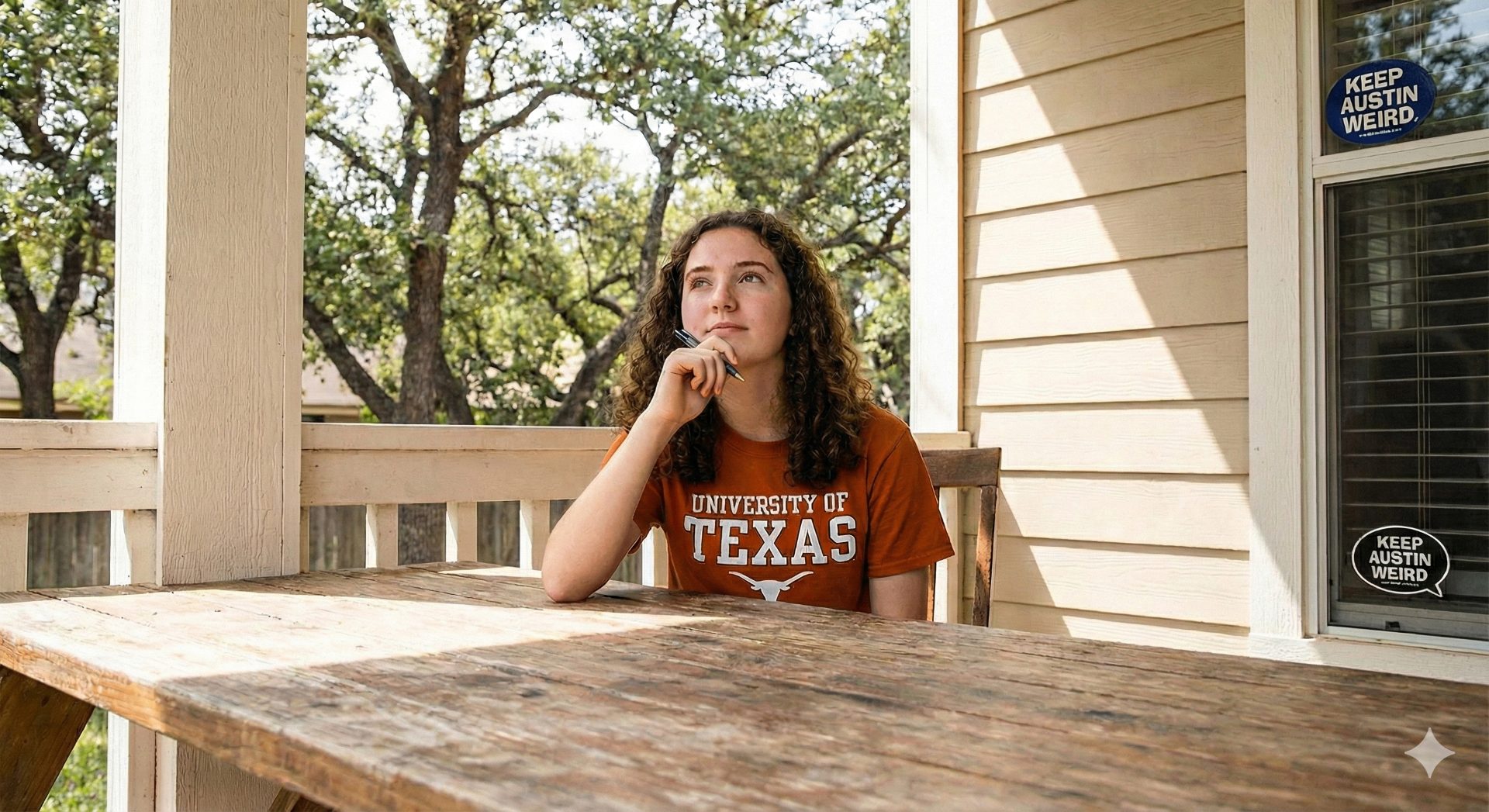
10th Grade – Exploration and Direction
10th grade is a bridge year. Students are more settled into high school but not yet under the full pressure of junior year. It's a good time to sort out interests and move from broad exploration toward a bit more direction.
Main Goals for 10th Grade
Clarify interests and possible majors, build depth in a few key activities, and take early, low-stress steps with standardized tests like the PSAT, SAT, or ACT.
Academics: Laying the Groundwork for Rigor
Academically, your student should continue with solid coursework in the core subjects. If they did well in 9th grade and handled the load without too much strain, this may be the year to add or increase Honors, Pre-AP, AP, IB, or other advanced classes, depending on what the school offers.
Ask yourself:
"Are the classes we're choosing now preparing our student for the right level of challenge in 11th and 12th grade?"
For example, a student aiming for competitive STEM programs will likely need to be on track for higher-level math and science by junior and senior year.
Testing: Gentle First Steps
10th grade is a good time to take first steps with testing, not to fixate on it. If your school offers the PSAT, encourage your student to try their best, but keep it in context: in 10th grade, the PSAT is mainly practice. You might also have your student take a practice SAT and/or ACT through free online tools or local test prep groups. The goal is to see which test feels more natural, not to chase a top score yet.
Activities: From "Trying Everything" to "Choosing a Few Things"
By 10th grade, it helps if students narrow down to a smaller set of priority activities. That doesn't mean they must quit everything else, but it does mean naming the 1–3 activities they most want to grow in.
Encourage your student to look for ways to take on more responsibility: helping run events, mentoring younger students, stepping into a bigger role on a team, or starting a project within a club.
Planning the Summer
Use the second half of 10th grade to plan a meaningful summer. Strong options include:
- An academic or enrichment course
- A local or online camp
- A part-time job
- Volunteer work with real responsibility
- A self-directed project (building something, researching a topic, launching a small effort)
The best summers are not always the fanciest or most expensive. The best ones match your student's interests and help them grow.
11th Grade – The Power Year
11th grade is often the most important year for college admissions. Colleges look closely at junior-year grades and course choices, and many key steps—testing, college research, and early essay work—happen now.
Main Goals for 11th Grade
Keep up strong academic performance, complete standardized testing (if your student is applying to schools where scores matter), and build a college list that feels balanced and realistic.
Academics: Challenging but Sustainable
Encourage your student to take a schedule that stretches them but is still manageable. Many students take the most advanced classes in 11th grade, so it's important to balance challenge with sleep, activities, and mental health.
Remind your student that 11th grade carries a lot of weight. Junior-year grades are often the last full set colleges see when they review applications. Steady effort, good attendance, and open communication with teachers can make a real difference.
If it fits your student, consider AP, IB, or dual credit classes. These can show rigor and may lead to college credit later, depending on the college.
Testing: Plan It, Don't Panic Over It
If your student will submit scores, 11th grade is the main testing year. Register for the SAT or ACT, often in the fall or spring. Once you pick a test date, set up a realistic study plan. This could be self-study with good materials, a class, or working with a tutor.
After the first official test, review the scores and decide if a retake makes sense. Some students are happy with their first scores; others gain from one or two more tries with focused practice in between.
College List: Exploring Options
Throughout 11th grade, research colleges in a clear and organized way. Look at:
- School size and campus feel
- Location (in Texas, out of state, distance from home)
- Majors your student might want
- Overall academic profile and how competitive the school is
- Estimated cost and aid options
Building a Balanced List
Start a draft list with reach, match, and likely schools. A strong list doesn't include only dream schools. It includes real options where your student would be both admitted and happy.
If possible, visit schools in person or online. Campus visits, info sessions, and virtual tours can help your student notice what they do and don't like.
Activities & Summer Before 12th
Junior year is a good time to take on bigger roles in existing activities. This could mean becoming a team captain, club officer, section leader, or project lead—any role that shows initiative and impact.
Also, start planning how to use the summer before 12th grade. That summer is a key time to:
- Finish or refine the college list
- Tackle meaningful projects, internships, research, or paid work
- Start writing the main college essay and possibly some supplemental essays
By the end of 11th grade, your student should have a clearer sense of where they want to apply, what their academic record looks like, and what story their activities and interests tell.
12th Grade – Application Year
Senior year is when the plan turns into action. The work of earlier years becomes real applications, essays, deadlines, and decisions.
Main Goals for 12th Grade
Finalize the college list and strategy, finish applications and essays on time, and keep grades steady through the end of the year.
Summer Before 12th Grade
The summer before senior year is a great time to get ahead. Your student should aim to draft the main college essay (Personal Statement) during this time. Writing in the summer lowers stress during the school year and creates space for real reflection and revision.
Summer is also a good time to brainstorm ideas for supplemental essays, especially for schools that are likely to stay on the final list. Questions like "Why this college?" or "Describe a meaningful experience" usually need detailed, personal answers—not last-minute paragraphs.
Fall of 12th Grade: Deadlines and Details
In the fall, confirm which colleges offer Early Action or Early Decision and whether any of these plans fit your family. Read the rules and commitments for each option.
Create a Master Tracking System
Create a master list or spreadsheet to track deadlines and requirements for every school: application due dates, essay prompts, test score policies, recommendation letters, and financial aid dates.
Encourage your student to request recommendation letters early, ideally at the start of the semester. Teachers and counselors often write many letters at once, so early requests help everyone.
Try to finish and submit applications before the actual deadlines. Aim to be done a bit early so there's time for review and fixing small issues.
Financial Aid: Understanding the Numbers
As applications go in, keep an eye on financial aid forms. The FAFSA (Free Application for Federal Student Aid) is required for most need-based aid and many scholarships. Some colleges also require the CSS Profile for more detailed financial information.
Alongside college applications, set aside time to look for and apply to scholarships. Sources include colleges, local groups, employers, and national programs.
Spring of 12th Grade: Decisions and Next Steps
In the spring, your student will start to receive admissions and financial aid offers. This is when you compare options, looking at both academic fit and cost.
If you can, visit or revisit top-choice schools—on campus or online—to help your student picture daily life there.
Once your student makes a choice, they'll submit an enrollment deposit by the college's deadline and follow the school's checklist for housing, orientation, and placement tests.
🎉 And then, take time to celebrate!
No matter where your student ends up, they've made it through a long, demanding process. This is a good moment to notice their growth, effort, and resilience—and to start getting ready for the move to college.

Need Help Turning This Roadmap into a Real Plan?
Reading a roadmap is one thing. Turning it into a clear, step-by-step plan for your student is another. That's where we come in.
Lone Star Scholars works with Texas students and families to turn these grade-by-grade ideas into practical monthly or biweekly steps that fit your student's strengths, interests, and goals.
Four-Year Academic & Testing Plan
Design a plan that fits your student—challenging but manageable, with clear decisions about when to test and how to balance schoolwork with preparation.
Activity & Profile Building
Guide students through choosing clubs, projects, and volunteering that match who they are and what they care about.
Balanced College List
Build a list that fits academically, socially, and financially, with attention to both Texas choices and strong out-of-state options.
Essay Coaching
Help students find their voice, tell their story, and write in a way that feels honest and human—not robotic or over-edited.
If you'd like support turning this roadmap into a clear, tailored plan for your family, we'd be glad to talk.
Book a Free Consultation